Tarnplanen Explained: 7 Powerful Uses, Types & How to Choose the Right One (Beginner Guide)
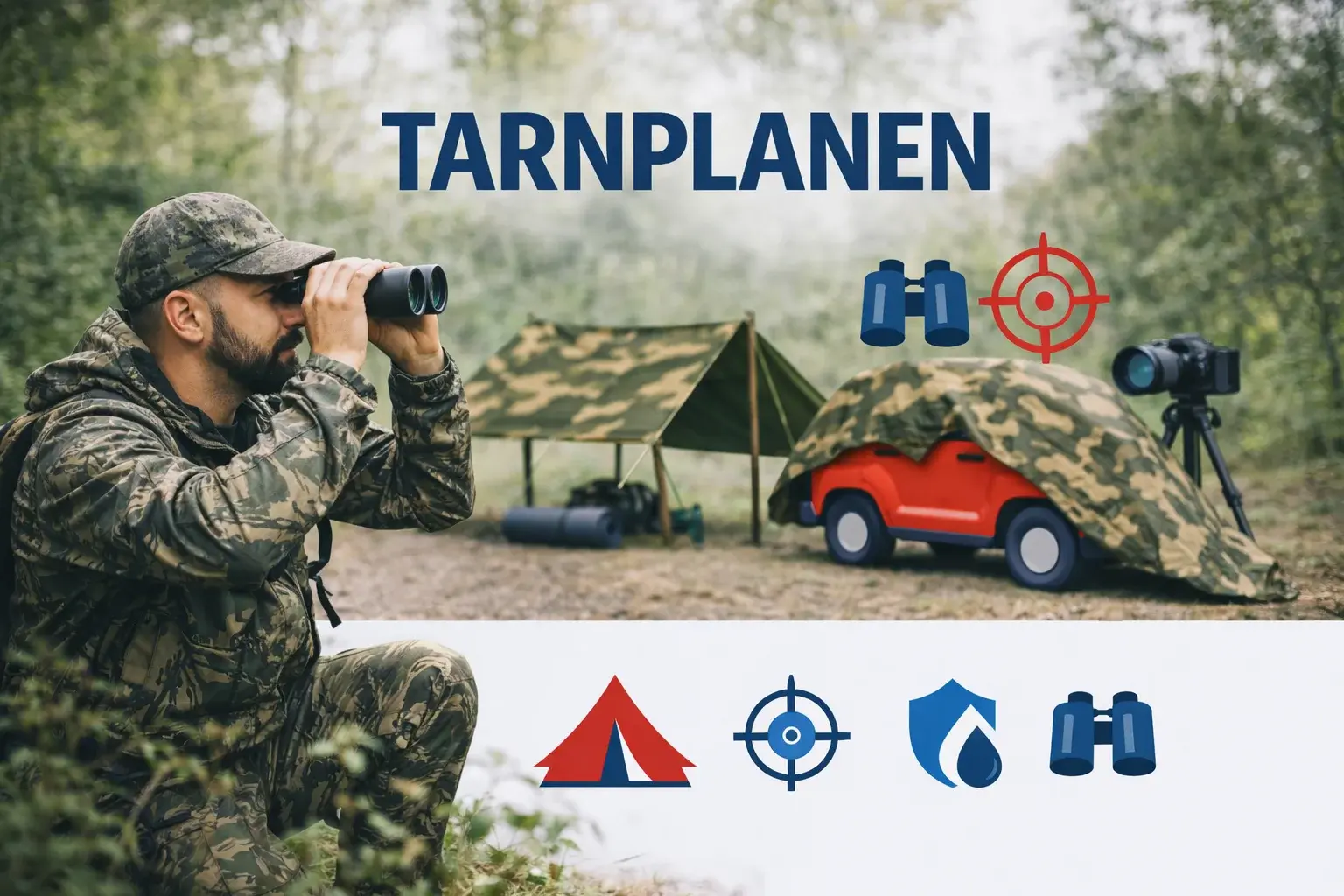
When you go outside for camping, hunting, or even working in your garden, you often need something to cover, protect, or hide things. This is where a camouflage tarp becomes useful. Think of it like this: in your home, if guests are coming, you cover things to keep them neat and less visible. In outdoor life, this cover helps your equipment blend into nature like trees, sand, or snow. In this guide, you will learn everything step by step in very simple words.
What Are Tarnplanen?
Simple Meaning
A camouflage tarp is a strong outdoor sheet designed with natural colors and patterns. It is used to hide objects, protect from sun, wind, and rain, and blend into natural surroundings. You will often see it in camping, hunting, and survival activities.
How It Works
These tarps use natural colors like green, brown, and sand, along with patterns that look like leaves or shadows. Because of this, they break the shape of objects, making them harder to see. Instead of standing out, things look like part of nature.
Types of Tarnplanen
By Material
| Material | What It Means for You | Best Use |
|---|---|---|
| Polyester | Strong and water-resistant | Daily outdoor use |
| Nylon | Light and easy to carry | Camping & travel |
| Mesh | Air can pass through | Shade & concealment |
Some high-quality options also use ripstop fabric, which prevents tearing.
By Pattern
Forest for green areas, desert for dry and sandy areas, and snow for winter use. Always match the color with your environment.
By Purpose
Camping shelter, hunting concealment, military-style use, and garden privacy.
7 Powerful Uses of Tarnplanen
1. Camping Shelter
You can create a simple roof to protect from sun or rain.
2. Hunting Concealment
It helps you stay hidden so animals cannot easily see you.
3. Military and Tactical Use
Used to hide equipment and positions.
4. Garden Privacy
You can block outside view and create a private space.
5. Covering Vehicles or Equipment
Protects from dust, sunlight, and rain.
6. Survival Situations
Useful for emergency shelter and protection.
7. Photography and Filming
Helps you stay hidden while capturing natural scenes.
How to Choose the Right Tarnplane
| Factor | Why It Matters |
|---|---|
| Size | Must cover your full need |
| Waterproof | Important for rain |
| Weight | Easy to carry if light |
| Pattern | Must match surroundings |
| Strength | Strong edges last longer |
Just like choosing a bedsheet for your bed, size and quality both matter.
Step-by-Step: How to Use Tarnplanen
Setup for Camping
Choose two strong points like trees or poles, tie the corners tightly with rope, and keep one side slightly lower.
Protection from Rain
Do not keep it flat. Always create a slope so water can flow down.
Better Camouflage
Place near trees or bushes, avoid straight lines, and add leaves or branches if possible. These small steps make a big difference.
Common Mistakes to Avoid
Wrong Color Choice
If the color does not match the area, it becomes easy to see.
Weak Setup
Loose tying can fail in wind or rain.
Ignoring Weather
Not planning for rain or wind can damage your setup.
Tarnplanen vs Regular Tarps
| Feature | Camouflage Tarp | Regular Tarp |
|---|---|---|
| Look | Natural patterns | Plain colors |
| Purpose | Hide and protect | Only protect |
| Use | Outdoor concealment | General covering |
If you need both hiding and protection, camouflage is the better choice.
Best Tarnplanen
Budget option includes basic waterproof material, premium option includes strong and long-lasting fabric, and camping option includes lightweight and easy-to-carry material.
Conclusion
Now you clearly understand what it is, how it works, and how to use it properly. Most importantly, you now know how to choose the right one based on your situation. Just like arranging your home properly, choosing the right outdoor cover makes your work easier and more effective.
You May Also Read It : Wollmatten
Frequently Asked Questions
1 – Are Tarnplanen waterproof?
Some are fully waterproof, while others are only water-resistant.
2 – Which one is best for camping?
Lightweight and waterproof options are best.
3 – What size should I choose?
Choose a larger size if you want shelter.
4 – Can I use it in rain?
Yes, but proper setup is necessary.
5 – How long does it last?
With proper care, it can last for years.