Edivawer Explained: Meaning, Uses, Benefits & Future in 2026
The digital world continues to evolve rapidly. New systems, tools, and ideas appear every year to help people work more efficiently.
Recently, a term called edivawer has appeared in technology discussions and online blogs. Because the concept is still emerging, many readers are unsure what the term actually means.
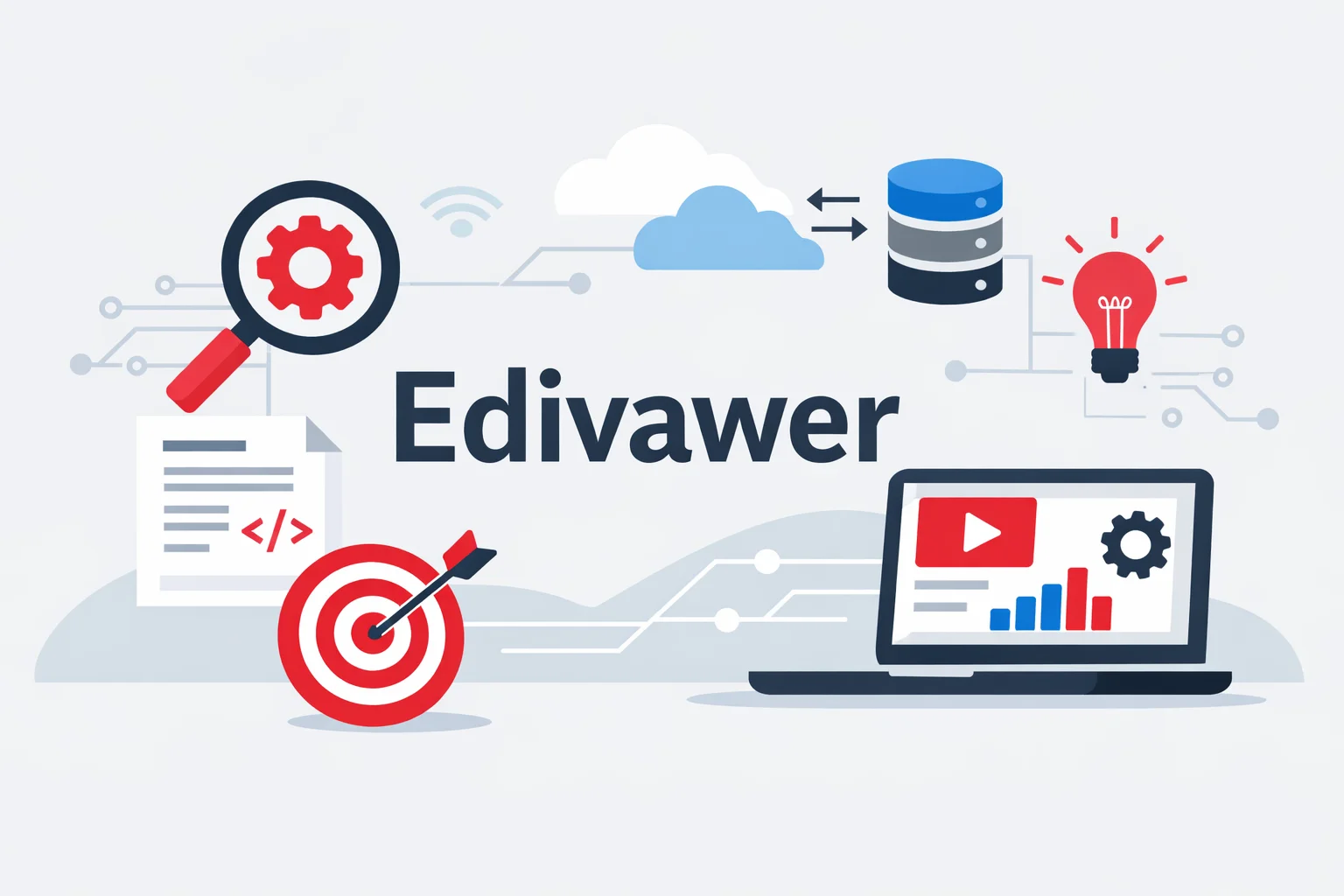
Some writers describe it as a digital framework, while others see it as a productivity ecosystem. In simple words, it refers to a connected digital environment where collaboration tools, automation systems, and data insights work together.
This guide explains the idea in a beginner-friendly way so anyone can understand it. By the end of this article, you will understand the meaning, possible applications, benefits, and future possibilities related to this concept.
What Is Edivawer?
At its core, the concept describes a connected digital system designed to improve teamwork, workflows, and information management.
Instead of using separate tools for every task, organizations combine multiple technologies into a unified environment. As a result, teams can collaborate more easily, automate routine activities, and make decisions based on real data.
You can think of it as a smart digital workspace where tools and platforms communicate with each other. For example, a team may use cloud software for documents, project management tools for tasks, and analytics dashboards to monitor performance. When these systems connect smoothly, productivity often improves.
Simple Definition
A simple explanation is:
A modern digital framework that integrates collaboration tools, workflow automation, and data analysis to improve productivity.
This definition highlights three main elements:
- collaboration
- automation
- data-driven decision making
Why the Term Is Becoming Popular
Several technology trends explain why this concept has gained attention.
First, businesses are increasingly adopting digital transformation strategies. Companies want faster and more efficient ways to manage operations and communication.
Second, remote work has increased the demand for cloud-based collaboration tools. Teams now rely on shared digital platforms to work together from different locations.
Finally, the rapid growth of artificial intelligence and automation technology has encouraged new approaches to workflow management. These developments have inspired discussions about smarter digital workplaces.
Background and Origin
Unlike well-known technologies such as cloud computing or artificial intelligence, this term does not yet have a clearly documented origin. However, it began appearing in technology blogs and innovation discussions in recent years.
How New Technology Terms Appear
New terminology often emerges when writers attempt to describe a combination of existing technologies.
Modern workplaces already use many digital tools such as collaboration platforms, cloud storage systems, automation software, and data analytics tools.
When these technologies work together in a coordinated system, authors sometimes introduce new terms to explain the overall concept.
Why Technology Writers Discuss It
Technology writers frequently explore emerging ideas that may shape the future of digital work. Even when a concept is still developing, discussing it helps readers understand evolving trends.
These discussions encourage organizations to think about better ways to use technology.
You May Also Read It : Mypasokey
Key Features of Modern Digital Work Systems
Most explanations of the concept include several common characteristics.
| Feature | Explanation |
|---|---|
| Collaboration | teams communicate through digital platforms |
| Automation | repetitive tasks are handled by software |
| Data insights | analytics support decision making |
| Cloud access | tools can be used from anywhere |
| Flexibility | systems adapt to different industries |
Digital Collaboration
Modern organizations rely on collaboration tools to coordinate tasks and communication. Platforms such as Microsoft Teams, Slack, and Google Workspace allow teams to share information instantly. These tools improve teamwork and reduce communication delays.
Workflow Automation
Automation software can handle routine tasks such as sending notifications, updating records, or generating reports. As a result, employees can focus on creative and strategic activities.
Cloud-Based Systems
Cloud computing allows data and applications to be accessed through the internet. This means employees can work from different locations without needing physical servers.
How Digital Workflow Systems Work
A simple workflow example can explain how integrated digital systems operate.
Step 1: Data Collection
Information is collected from different sources such as customer interactions, operational reports, and project updates.
Step 2: Processing and Automation
Software platforms process the information and automate routine actions. These systems may organize tasks, update databases, or generate notifications.
Step 3: Collaboration and Decisions
Team members review insights and coordinate actions through shared digital platforms. Because information is centralized, decision making becomes faster and more accurate.
You May Also Read It : Schedow
Real-World Applications
Connected digital systems are already used in many industries.
Business Operations
Businesses use integrated platforms for project management, customer communication, and performance tracking. Tools like Trello, Notion, and Asana help teams organize tasks and monitor progress.
Education
Educational institutions use digital systems for online learning, course management, and student communication. Learning management systems help teachers deliver lessons and track student performance.
Content Creation
Content creators often rely on digital workflows that combine research tools, writing platforms, editing software, and publishing systems. These tools simplify the production process.
Benefits of Integrated Digital Systems
Organizations gain several advantages when technology tools work together.
| Benefit | Explanation |
|---|---|
| Higher productivity | automation reduces manual tasks |
| Better collaboration | teams communicate easily |
| Faster decisions | analytics provide insights |
| Scalability | systems grow with organizations |
Increased Productivity
Automation and digital workflows allow teams to complete work more efficiently.
Stronger Collaboration
Shared platforms make communication faster and more organized.
Data-Driven Strategy
Analytics dashboards provide valuable insights that guide planning and decision making.
Challenges and Limitations
Despite many advantages, some challenges may arise.
Unclear Definition
Because the concept is still evolving, different writers may describe it differently.
Technology Adoption
Organizations sometimes need training and planning before implementing new systems.
Security Concerns
Companies must ensure that digital platforms follow strong cybersecurity practices.
Comparison With Similar Concepts
The idea overlaps with several existing technologies.
| Concept | Main Focus |
|---|---|
| Digital ecosystems | connected online platforms |
| Automation software | task automation |
| Collaboration tools | team communication |
The key difference is that the concept discussed here focuses on integrating these elements into a single workflow system.
Future Possibilities
Technology continues to develop rapidly. Artificial intelligence, cloud computing, and advanced analytics will likely improve digital workflow systems even further.
Future workplaces may rely on intelligent automation and integrated digital platforms. These developments could transform how organizations manage information and collaboration.
You May Also Read It : Trucofax
Conclusion
Modern workplaces depend heavily on connected digital tools. Systems that combine collaboration platforms, automation software, and data analytics help organizations operate more efficiently.
Although definitions may evolve over time, the central idea highlights an important trend. Technology is increasingly connecting people, processes, and information into smarter digital environments.
Understanding these trends helps individuals and organizations prepare for the future of work.
Frequently Asked Questions
1 – What does edivawer mean?
It generally describes a digital framework that connects collaboration tools, automation systems, and data insights to improve productivity.
2 – Is it a specific software platform?
No. It is usually discussed as a concept rather than a single product.
3 – How can businesses benefit from such systems?
Companies can improve efficiency by combining collaboration platforms, automation tools, and analytics systems.
4 – Why do new technology terms appear online?
Writers often introduce new terminology when discussing emerging digital trends.
5 – Are similar systems already used today?
Yes. Many organizations already use integrated platforms that support collaboration, automation, and data analysis.