Axelanote: A Complete Beginner Guide to Smart Digital Note-Taking
In today’s digital world, people deal with a large amount of information every day. Students collect lecture notes, professionals record meeting discussions, and creators save ideas for future projects. However, managing all this information can quickly become difficult.
Think about your home.
If clothes, books, and kitchen items are all placed in one room, it becomes hard to find anything. However, when every item has its proper place, everything becomes easy to locate.
The same principle applies to notes. When information is scattered across notebooks, documents, and different apps, it becomes difficult to manage. This is where structured digital note systems become useful.
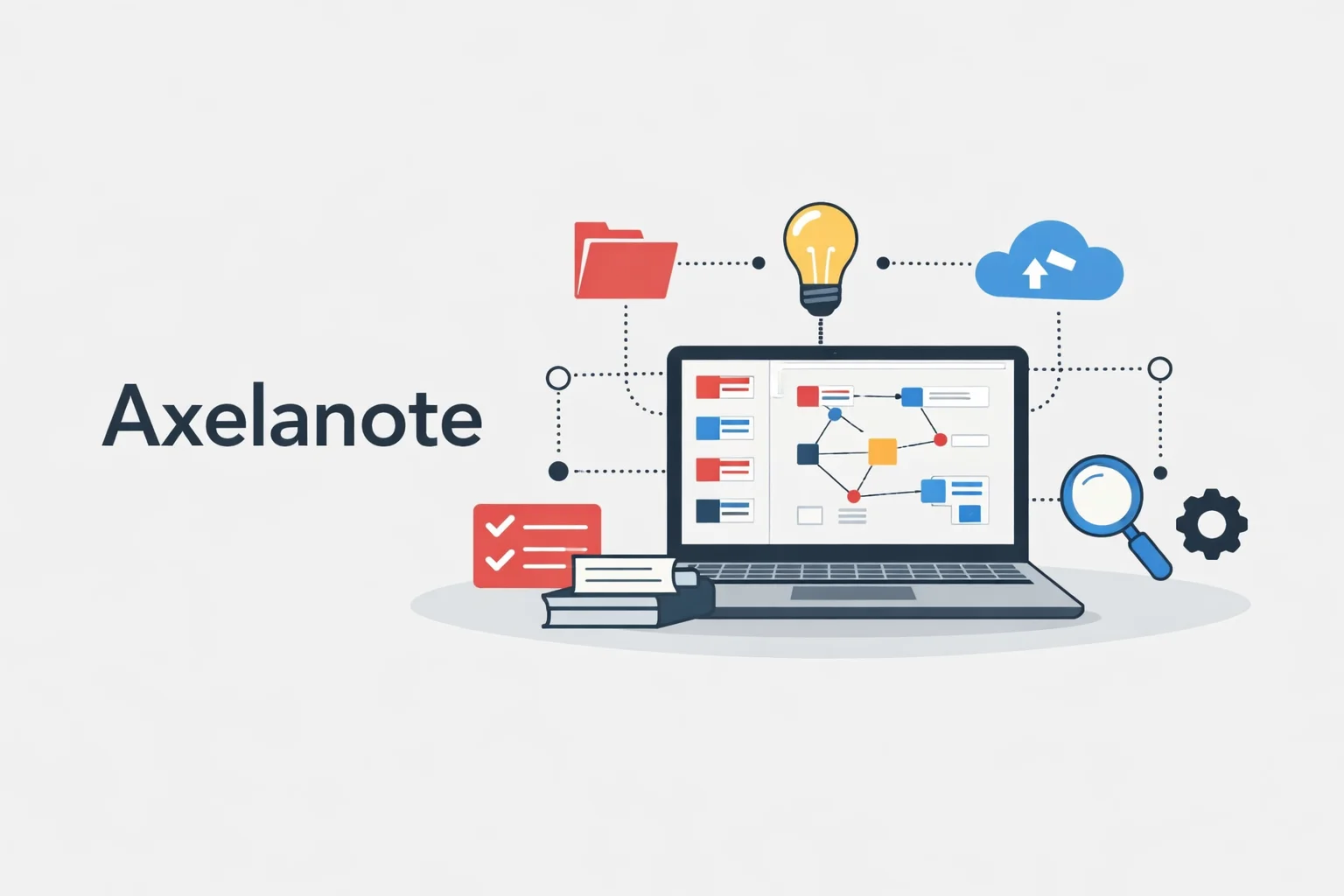
One tool often discussed in productivity communities is axelanote, which focuses on organizing ideas, managing knowledge, and improving workflow efficiency.
This guide explains how digital note systems work, their features, and how beginners can use them to organize information more effectively.
Why Digital Note Systems Are Important
Information Is Increasing Every Day
People regularly handle different types of information such as:
- research material
- project ideas
- meeting summaries
- learning notes
- online resources
Without a proper system, managing this information becomes overwhelming.
Therefore, many individuals now use productivity software and knowledge management tools to organize their digital information.
Problems with Traditional Note-Taking
Traditional note methods often include:
- paper notebooks
- scattered documents
- random mobile notes
Although these methods can work temporarily, they often create problems such as:
- difficulty finding information later
- duplicate notes
- disorganized ideas
As a result, many people move toward structured digital note-taking platforms.
What Is Axelanote?
Simple Definition
Axelanote is often described as a digital note-taking and knowledge organization system designed to store, manage, and retrieve information in a structured way.
Instead of saving notes in many places, everything can be organized in a single workspace.
Many productivity enthusiasts also connect systems like this with personal knowledge management and structured thinking workflows.
Purpose of a Digital Knowledge Tool
The main goal of such systems is to help users:
- capture ideas quickly
- organize information clearly
- find knowledge easily later
In simple terms, it works like a personal digital library for your thoughts and ideas.
You May Also Read It : Edivawer
Key Features of Modern Note-Taking Platforms
Different productivity apps provide various features. However, most systems include several core functions.
Organized Notes Using Folders and Tags
A strong organization structure helps users manage large numbers of notes.
Common methods include:
- folders
- tags
- categories
- linked notes
These features create a clear information structure.
| Organization Method | Purpose |
|---|---|
| Folders | group related notes |
| Tags | connect similar topics |
| Categories | organize broader subjects |
| Linked notes | connect related ideas |
With this structure, information becomes easier to manage.
Powerful Search Function
Another useful feature is a built-in search system.
Instead of manually browsing through many notes, users can simply type a keyword and quickly locate the correct document.
Some systems also support advanced search options such as:
- tag filters
- date filters
- keyword matching
This significantly improves information retrieval.
Collaboration and Shared Knowledge
Many note platforms allow multiple users to collaborate.
Teams can:
- share notes
- edit documents together
- maintain shared knowledge bases
This makes such systems useful for remote teams and project groups.
Cloud Storage and Cross-Device Access
Cloud technology allows notes to remain accessible across devices.
Benefits include:
- automatic backup
- access from smartphones or laptops
- real-time updates
Therefore, users can access their notes anywhere.
You May Also Read It : Mypasokey
How Digital Note Systems Work
Step 1: Create an Account
First, users sign up for the platform using an email address and password.
After registration, they gain access to a dashboard where notes can be created and organized.
Step 2: Create Your First Note
The next step is creating a note.
Common note types include:
- text notes
- meeting summaries
- research ideas
- to-do lists
This begins the process of building a personal knowledge base.
Step 3: Organize Notes Properly
After creating notes, organizing them becomes important.
| Folder | Example Content |
|---|---|
| Work | meetings and tasks |
| Study | lecture summaries |
| Projects | research notes |
| Ideas | creative concepts |
Organized folders prevent digital clutter.
Step 4: Connect Related Information
Some modern systems allow linking notes together.
For example:
- project notes connected to meeting summaries
- research ideas linked to references
- article ideas connected to outlines
This approach creates a knowledge network where information becomes interconnected.
Step 5: Use Search to Find Information Quickly
When notes grow in number, search tools become very helpful.
Users can locate notes using:
- keywords
- tags
- dates
Therefore, information can be retrieved quickly.
Real-World Use Cases
Students
Students can organize:
- lecture notes
- exam preparation material
- research references
This makes studying more efficient.
Professionals
Professionals often store:
- meeting discussions
- project plans
- business strategies
Organized documentation improves productivity.
Researchers
Researchers frequently collect large amounts of information.
They can manage:
- literature notes
- references
- research ideas
Linking notes also helps connect related topics.
Content Creators
Writers and bloggers often use digital notes to manage:
- content ideas
- article outlines
- research materials
As a result, planning content becomes easier.
Benefits of Organized Digital Notes
Better Organization
Information stays structured instead of scattered across different tools.
Faster Access to Information
Search features allow users to locate notes quickly.
Increased Productivity
When information is organized, work becomes faster and more efficient.
Reduced Mental Clutter
Storing ideas in a reliable system allows people to focus better on important tasks.
Comparison with Other Note Platforms
| Tool | Main Focus |
|---|---|
| Axelanote | structured knowledge organization |
| Notion | project and workspace management |
| Evernote | simple note storage |
| Obsidian | advanced knowledge linking |
Choosing the right platform depends on the user’s workflow.
Possible Limitations
Learning Curve
Some features such as note linking may require time to understand.
Feature Differences
Different platforms provide different tools and capabilities.
Integration Options
Certain note apps connect with other tools such as:
- task management software
- calendar apps
- productivity platforms
However, integration options vary between systems.
Tips for Organizing Notes Effectively
Keep the Structure Simple
Start with a few main folders rather than complicated hierarchies.
Use Tags Carefully
Tags help connect related ideas across different topics.
Link Related Information
Connecting notes builds a stronger personal knowledge network.
Review Notes Regularly
Updating and reviewing notes improves understanding and keeps information accurate.
Who Can Benefit from Digital Knowledge Tools
These systems are helpful for many types of users:
- students
- teachers
- researchers
- entrepreneurs
- content creators
- remote teams
Anyone who manages information regularly can benefit from structured digital notes.
The Future of Knowledge Management
Smarter Organization Systems
Future tools may automatically organize notes and categorize information.
AI-Assisted Productivity
Artificial intelligence may help summarize notes and suggest connections between ideas.
Connected Knowledge Systems
Information systems are gradually moving toward interconnected knowledge networks instead of isolated notes.
You May Also Read It : Schedow
Conclusion
Managing information effectively is becoming increasingly important in the digital age.
Structured digital note systems help users capture ideas, organize knowledge, and retrieve information quickly. Instead of dealing with scattered notes, everything can be stored in a central, searchable workspace.
For students, professionals, and creators, organized knowledge systems can significantly improve productivity and learning.
Frequenty Asked Questions
1 – What is axelanote used for?
It is generally discussed as a system for organizing digital notes, ideas, and knowledge in a structured workspace.
2 – Is it suitable for beginners?
Yes. Most modern note platforms have simple interfaces that beginners can learn quickly.
3 – Can teams collaborate using note-taking platforms?
Many platforms allow shared workspaces where teams can create and edit notes together.
4 – Are digital notes better than paper notes?
Digital notes provide advantages such as search functionality, cloud storage, and cross-device access.
5 – Can students benefit from digital note systems?
Yes. Students can organize lecture notes, research material, and assignments more efficiently.