Viltnemnda Explained: A Clear Beginner’s Guide to Norway’s Wildlife Committee
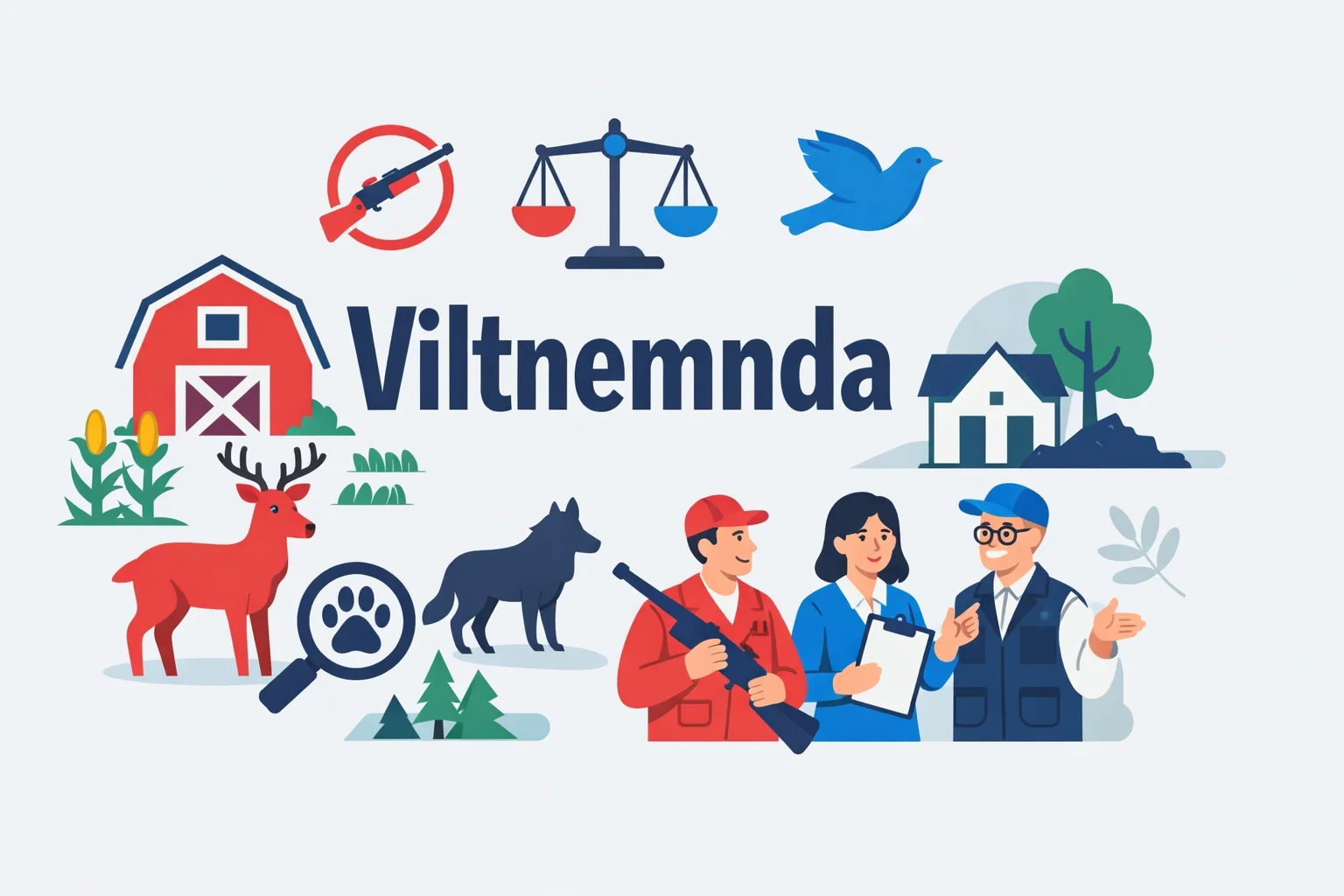
Imagine your village has a small group of responsible people. Whenever animals damage crops or come near homes, they sit together, discuss the situation, and decide what to do in a fair way. In Norway, this group is called a local wildlife committee (viltnemnda). This guide will help you understand it clearly, step by step, using simple examples and real-life situations. By the end, you will not only know what it is, but also how it works and why it matters.
What Is Viltnemnda?
It is a local government committee that manages wildlife in a specific area (municipality). In simple words, it helps keep balance between humans and animals, manage hunting activities, and solve problems related to wildlife. Think of it as a local manager of nature and wildlife.
Why It Exists
Humans and animals live close to each other, especially in rural and forest areas. Because of this, many situations can happen. Animals may damage crops, wildlife may enter villages, and population imbalance can affect nature. So, this system exists to maintain ecological balance, protect people and property, and support sustainable use of wildlife.
Simple Real-Life Example
Imagine a farmer notices that deer are eating his crops every night. Instead of reacting emotionally, he reports the issue. The committee studies the number of animals, checks the level of damage, and decides whether to allow controlled hunting or suggest protection methods. This creates a fair and planned solution instead of confusion.
What Does It Do? (Main Responsibilities)
| Responsibility | Simple Meaning | Example |
|---|---|---|
| Manage animal populations | Keep numbers balanced | Too many deer in one area |
| Set hunting rules | Control hunting activities | Who can hunt and when |
| Solve human–animal conflicts | Handle problems | Animals near homes |
| Protect ecosystems | Maintain natural balance | Protect important species |
| Apply environmental laws | Follow national rules locally | Wildlife regulations |
It works as a bridge between people, animals, and government policies.
How It Works (Step-by-Step Process)
A problem is first reported by a farmer, hunter, or citizen. Then the committee investigates by checking which animal is involved, how many are present, and how serious the issue is. They may use local observations, hunting data, and environmental reports. After that, they discuss possible solutions such as allowing limited hunting, increasing monitoring, or suggesting preventive measures like fencing. Finally, they take action in a controlled and legal way. This process ensures decisions are fair, practical, and based on real conditions.
Who Are the Members?
Members are selected by the local municipality. They are usually people with local knowledge who understand nature, wildlife, and community needs. Their role is to represent the community, follow national wildlife policies, and make balanced decisions. Because they understand local conditions, their decisions are often more accurate and practical.
Why Is It Important?
For farmers, it helps protect crops and reduce financial losses. For hunters, it provides a clear and legal system and prevents illegal hunting. For nature, it maintains biodiversity, prevents overhunting, and supports long-term environmental balance. Without such a system, wildlife management could become unorganized and harmful.
Real-Life Situations (Detailed Understanding)
In some areas, deer populations grow quickly. This leads to crop damage and environmental pressure. In such cases, controlled hunting quotas are introduced to reduce the population to a healthy level. In another situation, a predator like a wolf may be seen near homes. This raises safety concerns, so monitoring and preventive steps are taken. If hunting is not properly controlled, animal populations may drop too low, which can harm the ecosystem. Therefore, hunting seasons and permits are carefully managed to maintain balance.
Laws and Rules (Simple Overview)
The committee works under national laws related to wildlife protection, hunting regulations, and environmental conservation. These laws ensure that animals are not harmed unnecessarily and that hunting remains ethical and controlled. This also helps maintain a balance between human needs and environmental responsibility.
Comparison: Local vs Central System
| Feature | Local System | Central System |
|---|---|---|
| Decision level | Local | National |
| Speed | Faster | Slower |
| Understanding | Deep local knowledge | General understanding |
| Flexibility | High | Limited |
Local systems are often more effective because they are based on real conditions and local understanding.
How to Contact Them
You can contact the committee for animal damage, safety concerns, or hunting-related questions. It is helpful to provide a clear explanation of the problem, the exact location, and any supporting evidence like photos. You can find them through municipality websites or local government offices. Many areas also share public reports and updates to keep people informed.
Common Challenges
There can be differences between farmers and environmental groups, as both have different priorities. Some decisions are difficult, such as choosing between protecting animals or protecting crops. In addition, many people may not fully understand the rules, which can lead to confusion. These challenges require careful balance and communication.
You May Also Read It : Wollmatten
Conclusion
Understanding how wildlife is managed at the local level helps us see the bigger picture of how humans and nature can live together peacefully. A system like viltnemnda shows that problems with animals are not solved randomly, but through careful planning, local knowledge, and fair decision-making. In real life, situations like crop damage, animal sightings, or hunting concerns can become serious if not handled properly. However, with a structured approach, these issues can be managed in a balanced way that protects both people and the environment.
You May Also Like It : Tarnplanen
Frequently Asked Questions
1- What is viltnemnda?
It is a local committee that manages wildlife and related issues in Norway.
2- What does it do?
It controls animal populations, sets hunting rules, and solves conflicts between humans and animals.
3- Who manages it?
The local municipality appoints and oversees it.
4- Can citizens contact it?
Yes, especially for reporting wildlife problems or seeking guidance.
5- How are decisions made?
Through investigation, discussion, and by following environmental laws.
6- Is it part of the government?
Yes, it operates under local government authority.