Wollmatten Explained: A Simple Beginner’s Guide to Uses, Benefits, Costs & Installation
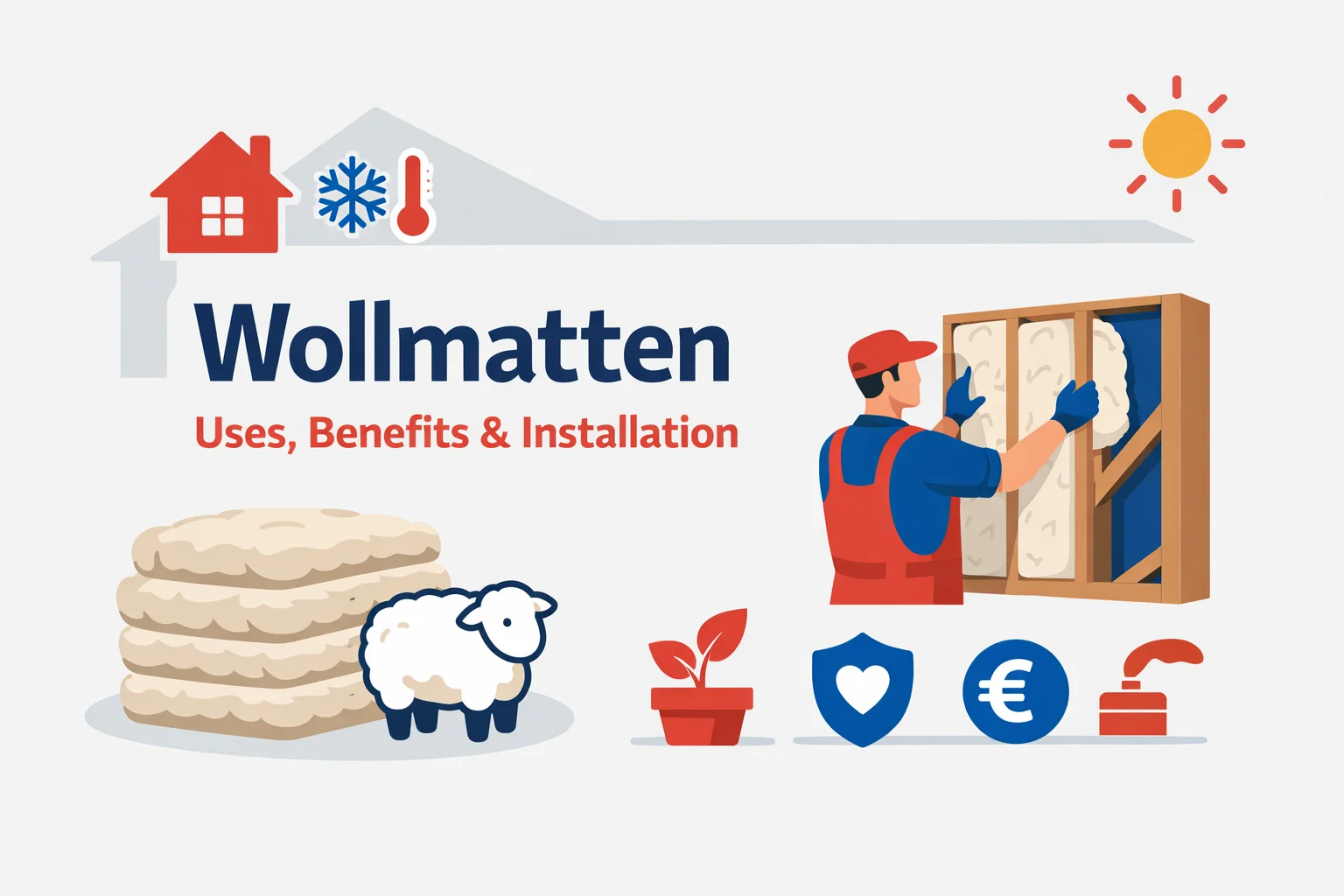
Imagine your home like your body.
In winter → you wear a warm sweater
In summer → you wear breathable clothes
Wollmatten work the same way for your house.
They help control temperature, air, and moisture naturally.
This guide is written in a very simple and practical way, so even if you’re new, you’ll understand everything clearly.
What Are Wollmatten?
Simple Meaning
Wollmatten are soft mats made from sheep wool or natural fibers used for insulation.
Think of them like a blanket for your walls, roof, or plants.
Why People Use Them
People choose these mats because they are:
* Natural
* Safe for health
* Breathable (air can pass through)
* Good at keeping temperature balanced
Where They Are Used
You’ll commonly find them in:
* House walls and roofs
* Under floors
* Gardens (for plant protection)
* Eco-friendly homes
7 Simple Uses (Real-Life Style)
1. Home Insulation
Keeps your room warm in winter and cool in summer.
Like closing doors to stop heat from escaping.
2. Garden Protection
Used to cover soil or plants during cold nights.
Like covering your child with a blanket at night.
3. Sound Reduction
Helps reduce noise between rooms.
4. Moisture Control
Absorbs extra moisture and releases it later.
Helps prevent damp walls.
5. Floor Comfort
Placed under flooring for softness and warmth.
6. Eco-Friendly Building
Used in green homes and sustainable construction.
7. Farming Use
Used for animal comfort and soil care.
Key Benefits (Easy to Understand)
Eco-Friendly
Made from natural wool, so it is safe for the environment.
Temperature Control
Keeps your home comfortable in both hot and cold weather.
Breathable
Air can move through it, which reduces mold and dampness.
Fire Resistant
Wool naturally resists fire better than many materials.
Safe for Health
No harmful chemicals, so it improves indoor air quality.
Comparison with Other Materials
| Feature | Wollmatten | Foam | Fiberglass |
|---|---|---|---|
| Material | Natural | Plastic | Mineral |
| Eco-friendly | Yes | No | No |
| Breathability | High | Low | Low |
| Comfort | Soft | Hard | Irritating |
| Safety | Safe | Chemical risk | Fiber irritation |
Simple conclusion:
If you want natural and comfortable, this is a strong option.
How to Install (Very Simple Steps)
What You Need
* Measuring tape
* Cutter or scissors
* Gloves
Step-by-Step
1. Measure the space (like measuring for a carpet)
2. Cut the mat according to size
3. Place it tightly in the wall or roof space
4. Make sure no gaps are left
Important:
Even small gaps can reduce performance.
Common Mistakes
* Leaving spaces between pieces
* Using wrong thickness
* Ignoring airflow
Cost (Honest Explanation)
Price Level
Usually medium cost.
What Affects Price
* Thickness
* Quality
* Brand
Is It Worth It?
Yes, if you want:
* Long-term comfort
* Lower energy bills
* A healthier home
Real-Life Examples
Home Example
A family installs wool insulation and feels less need for heaters and AC.
Garden Example
Plants survive winter better when covered with wool mats.
Farm Example
Used to keep animals comfortable and protect soil moisture.
Pros and Cons
Advantages
* Natural and eco-friendly
* Good insulation
* Safe for family
Disadvantages
* Costs more than cheap materials
* Needs proper installation
When You Should NOT Use It
Be careful in these cases:
* Very wet areas without ventilation
* Very tight budget
* Heavy industrial use
Maintenance & Lifespan
Lifespan
Can last many years if installed properly.
Maintenance Tips
* Keep area dry
* Check occasionally
* Ensure airflow
Does It Work in Hot Weather?
Yes.
Because it is breathable:
* Heat does not get trapped
* Indoor temperature stays balanced
Good for both hot and cold climates.
You May Also Read It : Tarnplanen
Frequently Asked Questions
1 – What are wollmatten used for?
They are used for insulation, gardening, and eco-friendly building.
2 – Are they better than foam?
They are more natural and breathable, but slightly more expensive.
3 – Are they safe?
Yes, they are safe and chemical-free.
4 – Can beginners install them?
Yes, simple installation is possible with basic tools.
5 – How long do they last?
They can last for many years.
6 – Are they waterproof?
No, but they handle moisture well.
7 – Do they work in hot climates?
Yes, they help maintain indoor comfort.